Simple Low Effort Movement Routines Anyone Can Follow
2026-01-26
Finding ways to move your body gently throughout the day can bring a sense of calm and refreshment, even when time and energy feel limited. Movement doesn’t always have to be vigorous or require a trip to a gym. Sometimes, the most approachable routines are those with low effort, easily integrated into everyday life. These routines can offer a subtle boost to your mood and help you stay connected to your body without feeling like a chore.
One of the easiest ways to incorporate movement is through mindful stretching. This doesn’t mean forcing yourself into intense or complicated poses, but rather tuning in to how your body feels right now. Start your day with a few simple stretches while still lying in bed. Reach your arms overhead as if you are gently greeting the new day. Roll your shoulders forward and backward a few times, noticing any tension slowly releasing. This subtle activation can set a calm and intentional tone for what’s ahead without demanding much energy.
If you find yourself sitting for long periods, a simple break every hour to stand and stretch can make a noticeable difference. Even just standing behind your chair and reaching your arms overhead or gently tilting your head from side to side provides a refreshing shift. These micro-movements help break up stiffness and invite blood flow in a way that feels effortless. You don’t need to dedicate a large time slot; even a minute or two at intervals adds up to a more comfortable and refreshed feeling by day’s end.
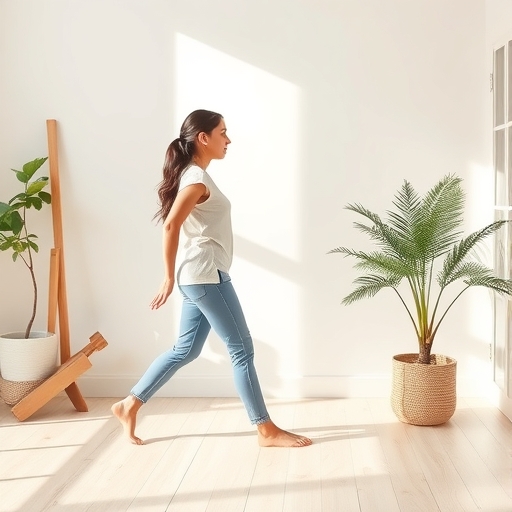
Walking at a leisurely pace is another gentle way to keep your body engaged. Instead of rushing from one place to another, try slowing down and tuning into the sensations beneath your feet. Whether you are walking inside your home, around the block, or in a nearby park, focus on the rhythm of your steps and the natural movement of your arms swinging gently by your sides. This style of walking is not about speed or distance but about creating a relaxed moment where body and mind are present together.
You can also weave easy movements into everyday tasks without setting dedicated exercise time. When washing dishes, try standing on one foot for a few seconds to engage your balance muscles in a gentle way. While waiting for the kettle to boil, stretch your arms out to the sides and slowly twist your torso from one side to the other, feeling the subtle rotation through your spine. These little moments turn routine activities into opportunities to move and stretch without any extra time or effort.
Floor based movements can be simple and slow, inviting a sense of calm and groundedness. Sitting on the floor with your legs crossed or extended in front of you, gently nod your head up and down and from side to side. Feel the connection of your sit bones with the floor beneath you. You might also try a gentle pelvic tilt by rocking your hips slightly forward and back, noticing the movement ripple through your lower back. These actions don’t require strength or flexibility, just a willingness to explore gentle motion on your own terms.
Another approach is to bring together movement and breath in a way that feels natural. Standing or sitting comfortably, place your hands on your belly and take a few slow, deep breaths. As you inhale, gently lift your arms out to the sides and overhead. As you exhale, slowly lower them back down. This continuous flow can create a soothing rhythm, encouraging your body to move lightly alongside your breath. The harmony of breath and motion often helps to calm your mind while keeping your body softly engaged.
In moments when you want to quiet your mind and release built-up tension, a simple shaking movement can be effective. Stand with your feet shoulder-width apart, slightly bend your knees, and gently shake one hand or arm for a few seconds, then the other. You can extend the shaking to your legs or whole body if it feels good. This spontaneous release can help shift energy and make moving your body feel joyous rather than challenging.
If you have access to a chair, it can be a supportive tool for low effort movement. Sit tall and place your hands on the sides of the chair. Slowly lift one knee up towards your chest and lower it down, repeating on the other side. This small lift encourages mobility in the hips without any strain. You might also try seated marches or gentle ankle circles while seated, keeping your muscles moving even in a resting position.
It’s important to remember that movement should feel inviting and respectful to your current state. Low effort routines are about gentle engagement, a little wakefulness for your muscles, and a reminder that moving your body can feel easy and pleasant. If your energy dips during the day, returning to one of these simple movements can create a grounding moment and reconnect you with your body without overwhelming you.
Movement routines like these are accessible regardless of your schedule, environment, or fitness level. They invite a mindful approach to motion, helping you cultivate a habit of gentle activity without pressure or expectation. The key is consistency rather than intensity—a few small moments of movement here and there can weave a subtle thread of wellbeing through your day.
Choosing to move gently offers a kind way to nurture your body and mind together. Accepting where you are today and engaging your body in small, simple ways can create a sense of ease and presence. Over time, these low effort movement routines can become a natural rhythm, a peaceful pause that helps you feel more centered and alive, no matter what your day holds.