Embracing a Gentle Pace Without Losing Lifes Pulse
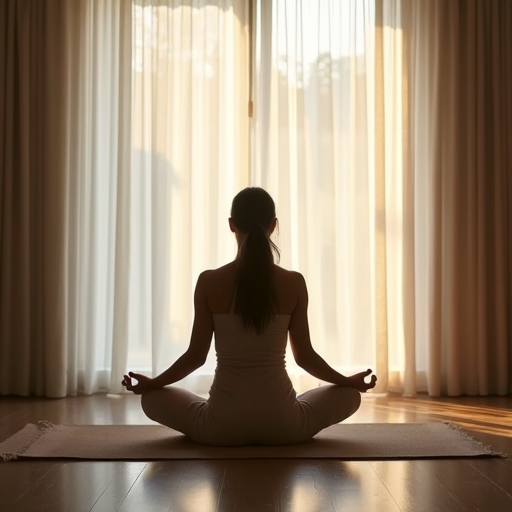
In a world that often feels like it’s spinning faster than we can keep up with, the idea of slowing down can seem both alluring and elusive. To pause, to breathe more deeply, to move through days with intention rather than urgency—these are acts of quiet rebellion against the relentless rush. But slowing down does not mean stepping away from life’s richness or disconnecting from the people and experiences we hold dear. Instead, it invites a different kind of engagement: one rooted in restoration, comfort, and thoughtful presence.
Imagine waking to a morning where the gentle light seeps through the curtains without triggering a frantic scramble to the next task. There’s a softness to the air, a subtle invitation to linger over the simple familiarity of a warm drink or the quiet hum of a household coming awake. This moment is not about abandoning the day’s responsibilities but about allowing the body and mind a gentle reset—a tranquil nod to the rhythm found in nature and the cycles that have always grounded human life.
Nature, in all its quiet grandeur, offers a remarkable teacher in this slowing down. There is no hurry in the unfolding of leaves, the crawl of moss across stone, or the steady pulse of the tide. Spending time outdoors, even in the smallest ways, can recalibrate our senses away from the overstimulation of digital screens and constant notifications. The caress of a breeze, the scatter of sunlight on petals, the low murmur of birdsong—these are restorative cues that invite us to switch off the volume of daily clamour. Presence in nature draws us closer to the immediacy of the earth, grounding our spirit without stripping away vitality.
Yet, slowing down need not lead to quiet isolation. Human connection thrives in the spaces where life’s tempo softens rather than screams for attention. When we gather with friends or family in settings free from the press of packed schedules or scrolling devices, conversations deepen and laughter flows more easily. Social bonds can be a source of comfort, warmth, and rejuvenation. Sharing simple meals, walking together without an agenda, or sitting in companionable silence all nurture a soothed and steady heart. Relationships remind us that life’s meaning wrinkles into view most fully when we allow space for connection without distraction.
Engaging with life at a reduced speed also means embracing the small rituals that bring comfort and stability. A cup of tea held between hands warmed by its ceramic shell, the folding of clothes or the arrangement of books on a shelf—these acts tether us to a sense of order and familiarity. They are quiet declarations that, despite the external swirl of demands, there exists within our reach a sanctuary of ease. It’s this gentle tending to everyday details that can reset our orientation toward calm and restore a feeling of being centered.
In a world often characterized by noise and haste, reduced stimulation becomes an oasis. This may mean creating spaces where sound is softened and light isn’t harsh, where the pace of activity is dictated not by urgency but by curiosity and ease. Moments when the phone is set aside, emails remain unread for a time, and screens go dark allow the mind to wander and settle. These pauses do not equate to disengagement; rather, they provide the fertile ground from which renewed interest and creativity can grow. The quiet space is a canvas for thought and feeling to mingle without distraction.
Allowing ourselves to slow down also cultivates a particular attentiveness to the ebb and flow of daily life. Instead of charging straight from one thing to the next, we become observers of our own rhythms and responses. There is an art to noticing how certain activities energize or drain us, how light changes the mood of a room, or how a pause between tasks can reset focus. This attuned way of living encourages a mindful steadiness—an openness to life as it moves at its natural pace, rather than pushing against it.
Slowing down without disengaging is also about making peace with imperfection and embracing the unhurried. It’s recognizing that productivity is not the only measure of worth and that fulfillment often arises not from doing more, but from being fully present with what is. In these moments, the noise of achievement gives way to the clear, soft melody of simply living. The world remains vibrant and inviting; our presence need only shift to receive the grace it offers.
There is a deep comfort in reducing complexity. Choosing a simpler meal, savoring the texture of a familiar fabric, or losing an afternoon in a story can all recalibrate the spirit. These are acts of everyday restoration that do not demand grand gestures or significant changes but instead beckon a return to the ease found in what is unadorned and real. This toned-down engagement is a way to honor both the fullness of life and the need to pause, rest, and replenish.
To slow down is not to retreat from the world but to enter it with a softer step and a fuller heart. It is an invitation to live with awareness and care, allowing space for breath, connection, and renewal. In doing so, life continues to unfold in all its richness—not in a blur of relentless activity, but in the quiet pulse of presence and belonging. This is the art of living well: moving gently through the everyday, reconnecting with nature, nurturing relationships, and finding comfort in simplicity, all while staying deeply engaged in the beautiful dance of life.
← Back to Home