Simple Ways to Recover Without Sleeping
In the rhythm of our busy lives, rest often feels like a luxury reserved for the night. Yet, there are moments when sleep is not immediately available, and the body and mind still long for restoration. Recovery doesn't always come from hours spent unconscious; sometimes, it can be found in the gentle pauses we create during our waking hours. These moments of slowing down and reduced stimulation offer a subtler form of replenishment that nurtures our vitality in unexpected ways.
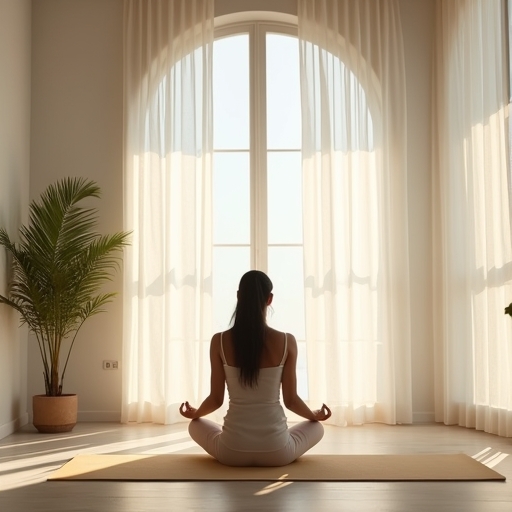
Imagine sitting quietly in a sunlit room, the soft warmth wrapping around your skin, inviting you to breathe with ease. When we allow ourselves to sink into stillness, away from the usual cacophony of sounds and distractions, a calming current flows through us. This quietude is a kind of reset, a space where the mind can declutter and the body can settle. It is in these intervals that the bustling demands of the day soften, and a peaceful balance is restored without the need for sleep.
Nature, in its timeless grace, often serves as a gentle healer. Stepping outside, even for a brief moment, brings us into contact with elements that cradle our senses. The feel of grass beneath your feet, the whisper of leaves in a mild breeze, or the distant call of birds can lull the mind into a state of serene engagement. Unlike the overstimulation found in screens and urban noise, these natural harmonies soothe rather than drain. They invite a quiet attention that refreshes without requiring exertion.
Engagement with the natural world encourages an unhurried pace. Walking slowly along a shaded path or simply sitting with your eyes closed under the canopy of trees allows the body to melt away tension. Without the urgent need to perform or produce, the sensations of calm grow stronger. This is a moment to be fully present, letting the world’s gentle rhythms become your own. Without telling yourself to rest or rejuvenate, you naturally enter a state of recovery.
Social connection, too, can offer a nourishing form of replenishment. This doesn't mean lively conversations or active outings, but rather the comfort of companionship in quiet presence. Sharing a calm space with another person—perhaps sipping tea together or sitting side by side in a park—can ease feelings of isolation and provide a subtle warmth. The human touch, even in silence, has the power to ground us and lessen mental clutter.
In these shared moments, there is an unspoken communication of understanding and acceptance. You might notice how being seen without words can soothe the soul, making it easier to relax. The simple act of connection, free from expectations or agendas, gives the heart room to breathe. It reminds us that recovery isn’t always solitary; it can be found in the gentle bond of being together.
Comfort plays a quiet yet profound role in our capacity to restore ourselves during waking hours. A soft blanket, the gentle embrace of a favorite sweater, or the familiar scent of a cherished candle can offer a subtle invitation to relax. These small comforts remind us that caring for ourselves doesn’t always require grand gestures; sometimes, it’s about the humble details that create a sense of safety and ease.
Settling into a cozy nook with a warm drink, or reclining in a chair with eyes softly focused on nothing in particular, can cultivate a restorative pause. Such comfort nudges the body to release holding patterns of tension, fostering a gentle unwinding. This kind of ease lowers the volume of internal chatter, helping the mind to rest even as waking moments unfold.
Another gentle practice involves slowing the senses intentionally. Reducing exposure to bright lights, loud sounds, and rapid movements allows the nervous system to find a quieter baseline. This slowing down isn’t about suppressing activity, but about stepping away from overwhelm to find calm. It is as if the layers of stimulation that accumulate throughout the day are allowed to settle like dust on a still surface.
By dimming external inputs, the internal world gains clarity and softness. There is more room to notice subtle sensations—the rise and fall of breath, the warmth of a sunbeam on your skin, the minute shifts in your posture. These moments of mindful awareness, unhurried and gentle, offer a subtle replenishment that carries through even when sleep is just beyond reach.
Engaging in simple creative acts can also serve as a form of recovery. Activities like sketching quietly with a pencil, folding paper, or running fingers over the textures of materials provide tactile focus and slow the mind’s pace. These modest forms of creation do not demand productivity or evaluation but offer a channel for presence and gentle expression. The hands at work soothe the mind, providing a peaceful engagement that quietly recharges.
We often overlook the power of routine gestures that comfort and ground us: brewing a cup of tea with mindful attention, tending to a small plant with gentle care, or pausing during a walk to observe a single flower. These rituals, repeated with calm intention, weave a fabric of softness into the day. They create pockets where the pace delicately shifts from doing to simply being, allowing the body and mind their own breathing space.
When immediate sleep is unavailable, embracing these moments of mindful slowing down can become a healing practice. It is less about pushing for rest and more about inviting it to arise naturally from gentle slowing, soft attention, and connection—to the world, to others, and to ourselves. By giving time and space to these small acts of restoration, we build resilience and find that recovery often blooms quietly, in the spaces between our waking moments.
In a life that often demands continuous activity, discovering these subtle ways to recover without sleep offers a gentle reprieve. It is an invitation to honor the body’s needs with tenderness and to trust that renewal can come not only from deep rest but also from the calm and composed presence we gift ourselves amid the flow of our days. The art of recovery lies in embracing stillness, savoring comfort, and finding refuge in the simplicity of the present moment.
← Back to Home