Slowing Down Without Disengaging From Life
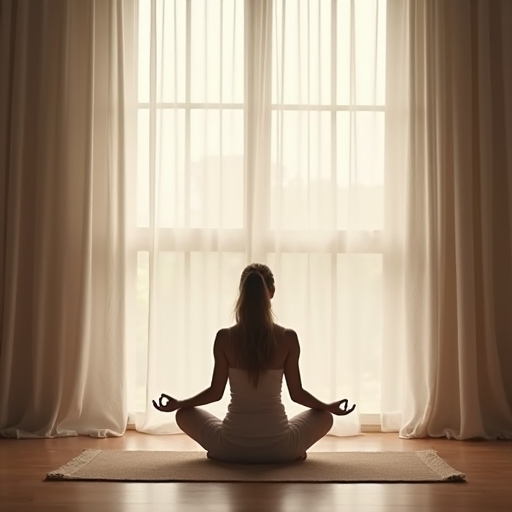
In a world that often feels like it is moving at an unrelenting pace, the idea of slowing down can seem like a luxury or even an act of withdrawal. Yet, slowing down does not mean stepping away from life or disconnecting from what matters. Instead, it is a gentle reminder that life’s fullness emerges not just from constant activity and stimulation, but from moments of quiet restoration and mindful presence. It is in these moments that we discover a rhythm that sustains rather than exhausts, a way of being that honors both our energy and our connections.
Slowing down begins with creating space—space from the constant noise and rush that inundates everyday life. This is not about withdrawing from the world but about tuning in more carefully to what truly enriches our days. Reduced stimulation allows the senses to rest from the barrage of information, notifications, and hurried exchanges. When the brain and body are given a chance to pause, a natural process of recovery takes place. The mind softens into a more open and observant state, and the heart recalibrates to a gentler tempo.
One of the most nurturing ways to invite this slower pace into life is through nature. Even brief encounters with the natural world—a quiet walk in the park, the rustling of leaves overhead, the coolness of a shady spot—encourage a shift from busy distraction to effortless awareness. Nature offers a kind of stillness that is active rather than inert; it pulses with life while embodying calm. This presence of natural surroundings can refresh the spirit, making it easier to return to life’s demands with renewed patience and clarity. In that sense, nature acts as both a refuge and a reminder that life unfolds at its own pace, often unpredictably yet always with a kind of wisdom.
Slowing down is also deeply connected to social presence and connection. It is tempting to think the rhythm of connection must be fast and constant—quick exchanges, rapid responses, keeping up with the digital chatter. But meaningful engagement often blossoms in quieter, slower moments. Sitting with someone without the pressure to fill every silence can foster a more authentic sense of togetherness. Sharing simple experiences—the warmth of a shared meal, the easy laughter over a familiar story, the mutual appreciation of a sunset—grounds relationships in comfort rather than obligation or performance. These moments create a shared pulse, a reminder that life’s richness often lies in the gentle weaving together of solitude and company.
Comfort, too, plays a subtle yet vital role in slowing down without disengaging. It is not about indulgence or escapism but about cultivating environments and habits that soothe rather than stimulate excessively. The softness of worn-in fabrics, the gentle glow of a lamp instead of harsh overhead lights, the quiet hum of familiar sounds in the background—these elements can cradle the senses and allow for an easygoing presence. When comfort is embraced as a daily reset, it becomes a pathway to restoration, inviting a welcome pause without detachment.
This daily reset can also come from simple rituals that root us in the present. Whether it is brewing a cup of tea, reading a few pages of a favorite book, or simply sitting quietly with a pet, these small acts invite a mindful slowing. They act like anchors amid the swirling currents of daily life, helping us respond more thoughtfully rather than react out of habit or hurry. These rituals remind us that slowing down is not about doing less but about choosing how and where we place our attention.
At its core, slowing down without stepping out of life is an act of gentle attentiveness. It is a way of moving through the world that values quality over quantity, depth over speed. It honors the natural rhythms of the body and mind without requiring radical change or withdrawal. Through this approach, life’s complexities do not need to be escaped—they are simply met with a steadier, calmer presence.
Such steadiness can transform how we experience both the everyday and the extraordinary. In moments when life feels overwhelming or disjointed, the practice of slowing can ground us, providing a sense of anchored presence. It is not about avoiding challenges but about meeting them from a place of greater ease and clarity. Slowing down becomes a way to align more closely with what matters, a space where restoration naturally arises alongside engagement.
When we embrace slowing down as a form of presence rooted in restoration and connection, it takes on a quiet power. It becomes a way to honor ourselves and the world around us, acknowledging that life’s fullness is not measured by the number of tasks accomplished but by the richness of our experience. In this way, slowing down is not a retreat but an invitation—to participate more fully, more attentively, and with deeper care.
In a culture that often equates busyness with worth, slowing down asks us to rethink what it means to live well. It invites us to rediscover the simple pleasures of being, the soft rhythms of comfort and connection, and the healing qualities of nature’s quiet embrace. Slowing down is ultimately a reminder that life’s true pulse is found not in frantic speed, but in the artful balance of rest and engagement, presence and participation.
By approaching each day with this mindset, we create space for a life lived with intention and openness. We open ourselves to the deeper weave of experience, one that includes moments of stillness as naturally as moments of activity. In embracing the gentle cadence of slowing down without stepping away, we reconnect with the essence of living fully—a dance between moving and resting, giving and receiving, being and becoming.
← Back to Home